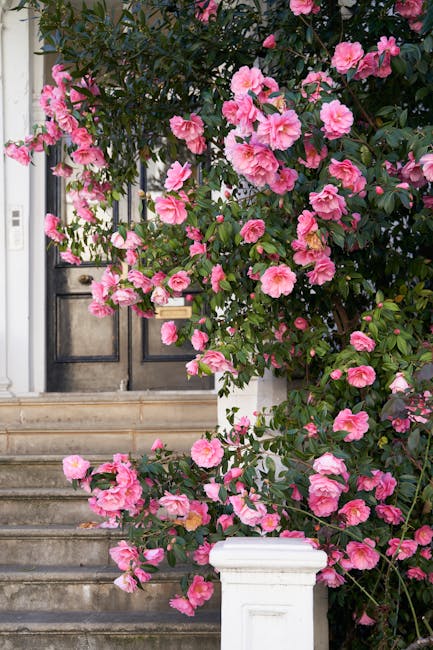
Kensington Gardens Tree Pruning and Gardeners Near Palace Gate: A Practical Local Guide
If you are looking into Kensington Gardens tree pruning and gardeners near Palace Gate, chances are you want the job done properly, safely, and without turning a tidy garden into a sad-looking stump of itself. Fair enough. In this part of London, gardens are often compact, visible, and close to valuable trees, walls, and neighbouring properties, so pruning is never just a quick trim. It is about plant health, appearance, safety, access, and timing.
Whether you need a one-off tree prune, regular garden upkeep, or a reliable local gardener who understands the rhythm of Kensington streets, this guide breaks down what matters, how the process works, and what to watch out for. You will also find a practical checklist, a comparison table, and straight answers to common questions. No fluff. Just useful guidance that helps you make a confident decision.
Table of Contents
- Why Kensington Gardens tree pruning and gardeners near Palace Gate Matters
- How Kensington Gardens tree pruning and gardeners near Palace Gate Works
- Key Benefits and Practical Advantages
- Who This Is For and When It Makes Sense
- Step-by-Step Guidance
- Expert Tips for Better Results
- Common Mistakes to Avoid
- Tools, Resources and Recommendations
- Law, Compliance, Standards, or Best Practice
- Options, Methods, or Comparison Table
- Case Study or Real-World Example
- Practical Checklist
- Conclusion
- Frequently Asked Questions
Why Kensington Gardens tree pruning and gardeners near Palace Gate Matters
Tree pruning in Kensington Gardens and the surrounding Palace Gate area matters for a few very ordinary reasons, and a few that are less obvious. The obvious ones are safety, shape, and size control. Branches grow toward windows, paths, fences, and rooflines. Left alone, they can block light, rub against structures, or become heavy in a way that makes storms a problem rather than just a rainy afternoon.
The less obvious reason is that established gardens in Kensington often depend on balance. One overgrown tree can throw the whole space off. Shade increases, lawn quality dips, beds struggle, and the garden starts to feel cluttered. A good gardener sees the whole picture, not just the branch in front of them.
Near Palace Gate, that whole-picture thinking is especially useful. Properties here can have limited access, mature planting, shared boundaries, and a very clear visual standard. Nobody wants a neat front garden and a messy rear canopy. Or the other way around. A thoughtful pruning plan keeps the garden looking intentional rather than merely cut back.
There is also the simple fact that trees are living structures. Pruning is not about hacking away until the shape looks smaller. Done well, it supports health, future growth, and a better relationship between the tree and the garden around it. Done badly, it can stress the tree, invite decay, or leave awkward regrowth that creates more work later. Truth be told, a rushed cut often costs more in the long run.
If you want a broader view of how a local team can support your garden throughout the year, it may help to look at garden maintenance as part of the bigger picture, not just one-off pruning. And if the work is part of a wider garden refresh, the overview on services overview gives a useful sense of the full service range.
How Kensington Gardens tree pruning and gardeners near Palace Gate Works
The process usually starts with assessment. A good gardener or tree specialist will look at the species, size, condition, season, location, and what the garden is trying to achieve. A small ornamental tree in a front garden needs a very different approach from a mature tree overhanging a patio or driveway.
From there, the pruning method is chosen. That might mean thinning, crown reduction, deadwood removal, formative pruning, or selective shaping. These are just different ways of saying that the cuts should match the tree's condition and the result you want. For example, thinning can help light reach the garden without stripping the canopy bare, while deadwood removal improves safety and tidiness without changing the shape too dramatically.
In practice, the work often includes:
- checking for broken, diseased, or crossing branches
- identifying any branches affecting light, access, or nearby structures
- removing material in a controlled sequence
- keeping the tree balanced so it still looks natural
- clearing up safely, with cuttings removed and the site left tidy
That final part matters more than people think. A garden can look worse after pruning if the waste is left in a heap, the lawn is churned up, or the cuts are uneven. A professional gardener usually works with a "leave it better than we found it" mindset. It sounds obvious, but not every crew does it.
For trees that need more significant work, a service such as tree lopping and removal may be relevant, though it should never be treated as a default option. Removal is a bigger decision and pruning is usually the first question worth asking. If you only need fine control around hedges and boundaries, hedge trimming may be part of the same visit too.
Key Benefits and Practical Advantages
Good pruning and reliable gardeners near Palace Gate deliver benefits that go beyond a nice-looking tree. The biggest one is probably space. Kensington gardens can be beautifully planted but still quite compact, so every bit of light and breathing room matters. A carefully pruned canopy can make a small garden feel calmer and more usable straight away.
Here are the main advantages:
- Better light: more daylight for lawns, borders, and seating areas
- Improved safety: fewer weak, crowded, or overextended branches
- Healthier growth: more air movement and less strain on the tree
- Cleaner appearance: sharper shape and less visual clutter
- Reduced nuisance: less rubbing, encroachment, and debris
- Better garden use: pathways, patios, and doors feel more open
There is a quieter benefit as well. When a garden is looked after properly, you stop noticing the small annoyances. You are not ducking under low branches. You are not dealing with a shady patch that refuses to grow. You are just using the space. That feeling is hard to quantify, but anyone with a London garden knows exactly what it means.
For many properties, tree work also connects naturally with wider upkeep. A pruned tree alongside neat borders, a trimmed hedge, and a clean lawn usually looks far better than any single improvement on its own. If the whole plot needs a reset, garden clearance can be a sensible starting point before ongoing maintenance takes over.
Who This Is For and When It Makes Sense
This kind of work makes sense for homeowners, landlords, property managers, and anyone with a private garden near Palace Gate who wants a tidy, safe, and manageable outdoor space. It is especially relevant if your trees are beginning to dominate the garden, if branches are close to windows or roofs, or if the space looks tired even though the rest of the planting is fine.
You may need pruning if:
- branches are touching buildings, fences, or cables
- the tree is blocking too much light
- there are dead, damaged, or crossing limbs
- you want to improve shape before the growing season gets going
- the garden feels cluttered and hard to maintain
It also makes sense if you have a wider seasonal maintenance routine. Some people prefer to bundle pruning with mowing, weeding, and hedge work, especially after winter or before the summer entertaining season. That is usually more efficient than treating each task like a separate emergency. A bit dull to say, but true.
If your outdoor space includes hard landscaping, seating areas, or timber features, pruning may need to be considered alongside other tasks such as landscaping or even decking services, because the whole garden needs to function as one layout. The best results tend to come from joined-up thinking.
Step-by-Step Guidance
If you are planning tree pruning or hiring gardeners near Palace Gate, it helps to understand the usual workflow. Not because you need to do the job yourself, but because knowing the steps makes it much easier to judge whether a quote or plan feels sensible.
- Inspect the tree and the space. Start with a careful look at growth, deadwood, access, and any features nearby. A healthy tree with one awkward branch is a very different job from a neglected canopy pressing into a boundary.
- Define the goal. Do you want more light, better shape, safer clearance, or just a more manageable size? The answer affects how much should be removed and where the cuts should be made.
- Choose the right season and timing. Timing can affect growth response, visibility, and stress on the tree. A little patience often gives a better result than rushing to prune at the first sunny weekend.
- Use the correct pruning method. Selective cuts are usually better than heavy-handed reduction. The aim is to improve the tree, not make it look like it has had a bad haircut.
- Protect the surroundings. In a local Kensington garden, that means looking after paving, borders, lawns, and neighbouring areas. Access can be tight, so the clean-up plan matters.
- Remove waste and review the finish. Once the pruning is done, the site should be left tidy, with the tree's shape still looking natural and the next growth phase considered.
When the job is more involved, a reputable gardener should explain why certain cuts are being made and what to expect afterwards. That conversation is worth having. If somebody cannot explain the logic in plain English, I'd be cautious. Very cautious.
Expert Tips for Better Results
There are a few practical habits that make a real difference, and they are easy to overlook.
First, prune for structure, not just size. A smaller tree is not automatically a better tree. If the shape is poor, the tree will still look awkward after a quick cut. The aim is a balanced canopy with room to grow naturally.
Second, think about the next twelve months. What will this tree look like in spring, summer, and after the next wet spell? A sensible prune should give you a result that still works later in the year, not only on the day it is done.
Third, keep an eye on the rest of the garden. If branches are opening up more light, you may need to adjust planting, lawn care, or watering. More light can be helpful, but it changes the environment. Plants notice. They really do.
Fourth, do not chase perfection. Trees are not topiary unless you want them to be, and even then, a little softness usually looks better in a Kensington setting. Over-shaping can make a garden feel harsh and unnatural.
For routine upkeep, a combination of lawn mowing, pruning, and seasonal garden care tends to keep the whole space in far better condition than occasional big interventions. And if you are trying to keep a property presentable for guests, tenants, or visitors, consistency matters more than drama.
One more small tip: ask for the cleanup to be included clearly in the plan. It saves awkwardness later. No one enjoys discovering that the "finished" job still has a mountain of branches sitting by the side gate.
Common Mistakes to Avoid
Most pruning mistakes are avoidable, which is the frustrating part. The same issues come up over and over.
- Over-pruning: taking off too much at once can stress the tree and create messy regrowth
- Ignoring the species: not every tree responds the same way to cuts
- Working without a clear goal: random cutting leads to random results
- Leaving stubs: poor cuts can invite decay and look untidy
- Forgetting access and safety: ladders, awkward angles, and tight spaces need care
- Pruning only for appearance: looks matter, but tree health matters too
Another common issue is treating pruning as a once-in-a-while rescue operation rather than part of a broader maintenance rhythm. A garden left for too long often needs more drastic work than it should. In fairness, many people only notice the problem when the branches are already in the way. That happens. Life is busy.
If you are unsure whether a tree needs light pruning or something more substantial, it is usually better to ask for an assessment first than to guess. The wrong assumption can cost time, money, and the shape of the garden.
Tools, Resources and Recommendations
You do not need to own specialist equipment to manage your garden well, but it helps to know what a professional team is likely to use and why. For tree pruning, clean, sharp hand tools, pole tools, and appropriate safety equipment are often more useful than brute force. The point is control.
For general garden upkeep around Palace Gate, a reliable gardener may also use:
- hedge trimmers for boundary shaping
- lawn care equipment for regular mowing and edging
- pruning saws for thicker stems
- gloves, eye protection, and protective footwear
- waste bags or collection systems for tidy removal
If your garden is being refreshed as part of a bigger project, it can help to look at landscape gardening where planting layout, structure, and usability all come together. That way, pruning decisions support the wider design rather than fighting against it.
It is also worth asking about how waste is handled. For many clients, sustainability matters, and rightly so. If you want a provider who thinks carefully about disposal and reuse, the page on recycling and sustainability is a sensible place to look. Garden work should not create avoidable waste if it can be managed well.
Finally, if you want to understand how a provider works before booking, look at their about us page. It usually tells you more than a polished service heading ever will.
Law, Compliance, Standards, or Best Practice
Tree pruning in London is not just a matter of preference. There can be practical, legal, and neighbour-related considerations depending on the tree, location, and property boundaries. You do not need to become a legal expert, but you should know the basics.
For example, if a tree is protected or subject to planning control, pruning work may need careful checking before any cuts are made. If branches overhang a boundary, there are also neighbour considerations. And if access is awkward or work is at height, health and safety practice becomes essential rather than optional. That sounds obvious, yet it is exactly where poor jobs tend to go wrong.
Best practice usually includes:
- checking the tree's condition before cutting
- using proportionate pruning methods
- keeping work safe and controlled
- avoiding unnecessary damage to the tree or surroundings
- documenting scope clearly so everyone understands what will happen
For peace of mind, it is sensible to choose a gardener or tree team that can speak clearly about insurance, safety, and working practices. The pages on insurance and safety and health and safety policy are useful indicators that a business takes these duties seriously. You want someone who knows what they are doing, not someone hoping for the best with a pair of loppers and optimism.
Pricing and scope should also be transparent. A clear quotation is far better than a vague promise. If you are comparing options, take a look at pricing and quotes so you know what to expect before booking.
Options, Methods, or Comparison Table
Not every tree or garden needs the same approach. Below is a simple comparison that may help you think through the right option.
| Method | Best for | What it does | Typical downside if overused |
|---|---|---|---|
| Light pruning | Healthy trees needing small adjustments | Removes selected shoots, minor congestion, and awkward growth | Too little change if the tree is already dominating the space |
| Thinning | Gardens needing more light and airflow | Reduces inner crowding while keeping the canopy natural | Can look patchy if done too aggressively |
| Crown reduction | Trees becoming too large for the site | Carefully reduces overall size and spread | Can stress the tree if cuts are excessive or poorly placed |
| Deadwood removal | Safety and tidiness | Takes out dead or unstable branches | Does not solve structural crowding on its own |
| Removal | Unsafe, failing, or unsuitable trees | Completely takes the tree out | Loses the tree entirely, so it should be a last resort |
In most Kensington gardens, the least dramatic option that solves the problem is usually the best one. Not always, but often. If the garden is part of a terrace or shared frontage, that restraint matters even more.
Case Study or Real-World Example
Here is a realistic example from a compact garden near Palace Gate. A mature ornamental tree had started leaning visually toward the house, not physically, but enough that the canopy made the rear seating area feel dark by mid-afternoon. The owner liked the tree and did not want it removed. Sensible instinct, that.
After assessment, the approach was to remove deadwood, thin selected interior branches, and make a modest reduction on the side nearest the building. The goal was not symmetry for its own sake. It was to restore balance and let light back into the space. The result was noticeable almost immediately: the patio felt brighter, the garden looked less crowded, and the tree still looked like itself.
What made the difference was not a dramatic cut. It was restraint, timing, and a clear sense of purpose. The owner also scheduled ongoing care so the garden would not slide back into the same pattern six months later. That is usually the smart move.
In the same visit, the team could have dealt with smaller jobs such as hedge trimming or part of a wider garden maintenance plan. Bundling the work often makes the whole day more efficient, especially when access is tight and parking is, well, London parking.
Practical Checklist
Use this checklist before you book or approve tree pruning near Palace Gate:
- Confirm what you want the tree to achieve: more light, safer clearance, better shape, or size control
- Check whether the tree is healthy, damaged, or showing deadwood
- Look at nearby buildings, paths, fences, and plants that may be affected
- Decide whether pruning is enough or whether a wider garden tidy-up is needed
- Ask how the cut material will be removed and where it will go
- Request a clear description of the method, not just a broad promise
- Make sure insurance and safety arrangements are in place
- Ask for the result to be left neat and visually balanced
- Consider ongoing maintenance so the problem does not return quickly
- Keep a note of seasonal timing for future visits
Expert summary: The best pruning jobs in Kensington are usually the ones you barely notice as "pruning" at all. The garden simply looks lighter, cleaner, and more settled. That is the sweet spot.
Conclusion
Kensington Gardens tree pruning and gardeners near Palace Gate is really about more than reducing growth. It is about keeping a refined London garden healthy, balanced, and pleasant to use. When the work is done properly, the result feels calm rather than cut back. The light improves, the space opens up, and the whole garden starts working better.
If you are weighing up whether your trees need attention, start with the simplest question: what is the garden trying to do, and what is stopping it? Once you know that, the right pruning approach becomes much clearer. And if you want ongoing support, a dependable gardener can make the difference between occasional rescue work and steady, manageable upkeep. That, honestly, is where most of the value sits.
Get a free quote today and see how much you can save.
When a garden is cared for with patience and good judgement, it feels like breathing space in the middle of the city. That is a lovely thing to have just outside your door.
Frequently Asked Questions
What is the best time of year for tree pruning near Palace Gate?
The best time depends on the tree species, its condition, and the result you want. Some pruning is best done in the dormant season, while lighter shaping can sometimes be done at other times. A proper assessment matters more than a blanket rule.
How do I know if my tree needs pruning or removal?
If the tree is healthy but overgrown, awkward, or blocking light, pruning is often enough. Removal is usually considered when the tree is unsafe, severely damaged, diseased beyond recovery, or unsuitable for the space. It is worth asking for an honest view before deciding.
Can gardeners near Palace Gate handle both trees and general garden maintenance?
Yes, many gardeners can manage pruning alongside routine care such as mowing, hedge work, and seasonal tidying. If you want a more joined-up approach, combining tasks is usually more efficient and keeps the garden consistent.
Will pruning damage my tree?
Not if it is done correctly and in moderation. Trees are living structures, so poor cuts or over-pruning can cause stress, but careful pruning is normally beneficial. The method and the amount removed really matter.
How often should trees in a Kensington garden be pruned?
That depends on the species, growth rate, and location. Some trees need attention every year or two, while others can go longer between visits. Gardens with limited space or strong visual standards often benefit from more regular checks.
What should I ask a gardener before booking pruning work?
Ask what method they recommend, what they will remove, how they will handle waste, and whether they can explain the expected result in plain language. It is also sensible to ask about insurance and safety practices.
Is tree pruning expensive in central London?
Costs vary based on access, tree size, complexity, and the amount of waste to remove. Rather than guessing, ask for a clear quote that explains the scope. Transparent pricing is usually a good sign.
Do I need permission for pruning a tree in Kensington Gardens or Palace Gate?
Sometimes, depending on whether the tree is protected or subject to planning control. Because rules can vary by situation, it is best to check before work begins. A cautious approach avoids nasty surprises.
Can pruning improve light in my garden?
Yes, often quite noticeably. Thinning or selective reduction can let more daylight through without making the tree look harsh. In a small London garden, that extra light can make a big difference.
What happens to the cut branches and waste?
Usually the waste is collected, loaded, and removed as part of the job or in line with the agreed service. If you care about disposal methods, ask about recycling and sustainability before booking.
How do I choose between hedge trimming and tree pruning?
Use hedge trimming for hedges and formal boundary growth, and tree pruning for trees or large woody plants with a clear trunk and canopy. Some gardens need both, and that is quite normal.
What is the most common mistake people make with pruning?
Taking off too much at once. It is tempting to solve everything in one go, but trees usually respond better to thoughtful, selective work. A lighter touch is often the smarter one.