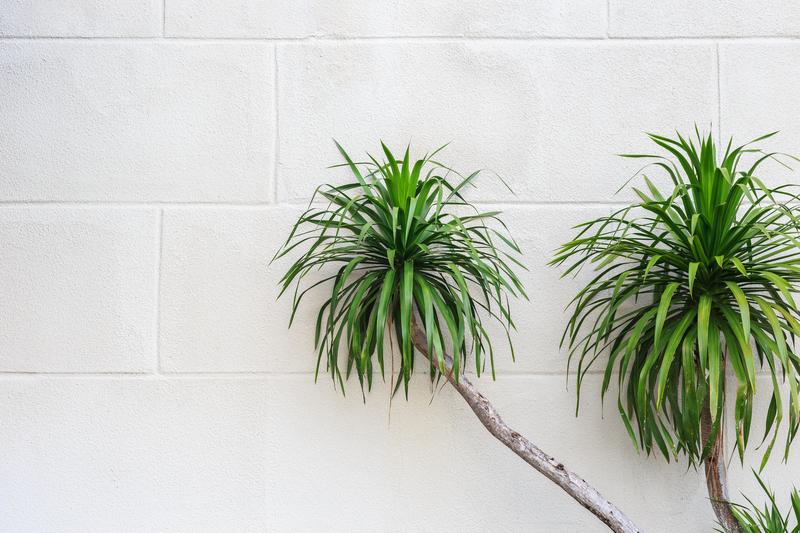
Go Green with Tall-Potted Plants That Offer Shade and Seclusion
Go Green with Tall-Potted Plants That Offer Shade and Seclusion: The Complete UK Guide
Want a cooler, calmer outdoor space without major building work? You can go green with tall-potted plants that offer shade and seclusion and transform a balcony, patio or small garden into a private, leafy retreat. Picture it: soft rustle of bamboo, dappled afternoon light under glossy bay leaves, neighbours gently blurred by layers of green. No brick dust. No planning nightmares. Just plants doing what they do best--cooling, screening, and soothing.
Over the last decade designing compact London terraces and courtyards, we've seen tall container plants change the way people use their homes. They turn overlooked spaces into lunch spots, quiet corners into Zoom-call sanctuaries, and sun-baked patios into lush 'rooms'. To be fair, it feels a bit magical the first time you sit beneath a canopy of leaves you potted yourself. And yes, you can do this even in a windy fifth-floor flat--if you plan smartly.
In this long-form guide, you'll learn how to pick the right species, the right pots, and the right layout to maximise privacy and shade all year round--without wrecking your budget or your back. We'll go deep on UK-suitable plants, structural loading for balconies, watering strategies during hosepipe bans, and practical maintenance. Plus a down-to-earth case study and a checklist you can literally print and tick.
Table of Contents
- Why This Topic Matters
- Key Benefits
- Step-by-Step Guidance
- Expert Tips
- Common Mistakes to Avoid
- Case Study or Real-World Example
- Tools, Resources & Recommendations
- Law, Compliance or Industry Standards (UK)
- Checklist
- Conclusion with CTA
- FAQ
Why This Topic Matters
Urban homes are getting smaller, and gardens--even more so. Many of us are working from home, taking calls on balconies, and trying to unwind outdoors after a long day. But strong sun, wind exposure, and neighbours' sightlines can make those spaces less usable. That's where the idea to go green with tall-potted plants that offer shade and seclusion really shines. You're using living architecture to shape a microclimate and your privacy, without heavy construction.
There's a sustainability angle too. Plants cool surfaces, reduce heat gain, and improve air quality. They support insects and urban biodiversity (hello bumblebees on rosemary blossom), and--when chosen well--require less water than you'd think. If you've stood on a roof terrace in July and felt the tiles radiating heat, you'll know the difference a strip of shade and a cool breeze can make.
One small moment: it was raining hard outside that day when a client messaged a photo--steam rising off the hot paving while bamboo fronds swayed. "It suddenly feels like a place," she wrote. That's the power of well-placed greenery.
Key Benefits
Why lean on tall container planting rather than fixed screens or pergolas? A few reasons that come up again and again:
- Instant privacy, flexible placement: Shift containers to change sightlines or create a windbreak. No drilling into party walls. No stress.
- Shade without darkness: The right plants provide soft, dappled shade--cooler than a solid screen but brighter than a wall.
- Seasonal interest: Mix evergreens (year-round seclusion) with deciduous or flowering species (spring blossom, autumn colour, winter structure).
- Acoustic softening: Tall foliage--especially bamboos and grasses--can subtly reduce traffic noise and harsh echoes in paved spaces.
- Microclimate control: Plants transpire, cooling the air; big leaves (banana, palm) and dense canopies (laurel, photinia) are excellent for this.
- Low-commitment architecture: Renters and leaseholders can create privacy without permanent changes. When you move, the garden moves with you.
- Biodiversity boost: Nectar-rich shrubs and herbs support pollinators and beneficial insects even on small balconies.
- Mental health benefits: Honestly--greenery calms the mind. Clean, clear, calm. That's the goal.
Truth be told, a well-placed pot can do what a fence can't: adjust, adapt, and grow with you.
Step-by-Step Guidance
If you want to go green with tall-potted plants that offer shade and seclusion, follow this practical process. It's the approach we use on compact city projects, from Camden balconies to Brighton courtyards.
1) Assess Your Space
- Sun & shade mapping: Note where the sun hits at 9am, 1pm and 5pm. South-facing balconies may need heat- and drought-tolerant species; north-facing areas favour shade lovers.
- Wind exposure: Upper floors and coastal areas can be fierce. Choose wind-tough plants (e.g., Elaeagnus, Cordyline, Trachycarpus) and sturdy containers.
- Weight/load limits: Balconies and roof terraces have structural limits. As a rule of thumb, aim for lightweight containers and substrate, and check loading with your building manager or a structural engineer when in doubt.
- Access & irrigation: How will you water? Where will you store compost? Can you move a 60L pot through the hallway without dings? (We've all been there.)
Micro moment: you could almost smell the cardboard dust in the air as we squeezed a tall bay past a tight stairwell in Clapham. Measure twice.
2) Select the Right Tall Plants (UK-suitable)
Below are reliable, UK-appropriate plants that give height, shade, and privacy in containers:
- Clumping Bamboo (Fargesia spp.) - Non-invasive, elegant, fast privacy. Likes consistent moisture and partial shade. Great rustle in the wind.
- Phyllostachys spp. - Taller, more architectural bamboos; many are running types, so choose cultivars carefully and only in heavy containers with containment.
- Bay Laurel (Laurus nobilis) - Evergreen, edible leaves, can be trained as multi-stems or standards. Good for classic looks and all-season screening.
- Photinia x fraseri 'Red Robin' - Evergreen with glossy red new growth; clip into hedging screens in troughs for instant privacy.
- Griselinia littoralis - Salt and wind tolerant, fresh green leaves; superb for coastal balconies and terraces.
- Elaeagnus ebbingei - Tough as nails, scented autumn flowers; tolerates wind, pollution, and partial shade.
- Olive (Olea europaea) - Silvery leaves reflect light, creating brightness in small spaces; drought tolerant once established.
- Trachycarpus fortunei (Windmill Palm) - Hardy UK palm with bold, fan-like leaves for a touch of shade and drama.
- Musa basjoo - Hardy banana (needs winter protection). Huge leaves for lush, cooling shade in summer. This one makes you smile.
- Viburnum tinus - Evergreen with winter flowers; reliable and container-friendly.
- Portuguese Laurel (Prunus lusitanica) - Dense evergreen screen; more refined than cherry laurel for pots.
- Climbing Jasmines, Clematis, and Trachelospermum jasminoides - Train on obelisks or trellis within containers for vertical privacy and fragrance.
- Tall Grasses such as Miscanthus sinensis and Calamagrostis 'Karl Foerster' - Upright, movement, and soft sound. Pair with evergreens for year-round cover.
For instant effect, use a mix: one tall evergreen backbone (Photinia, Griselinia), a fast vertical accent (Fargesia bamboo), and seasonal drama (Musa or grasses). Aim for a layered look--top canopy, mid-storey, and groundcover herbs like thyme for scent and pollinators.
3) Choose Containers That Last
- Materials: Fibreclay, GRP (glass-reinforced plastic), and high-quality resin are lightweight, frost resistant, and durable. Terracotta looks lovely but is heavy and dries out fast.
- Size: Think big. For a tall screen, 40-60cm diameter/width and 40-60cm depth is a sensible minimum; troughs 80-120cm long work well for hedging plants.
- Drainage: Must have drainage holes and a riser/feet to prevent waterlogging; add a lightweight drainage layer (not stones--use recycled pot blocks or coarse perlite).
- Stability: Windy sites need low, wide pots or weighted bases; use root anchors or discreet ties for taller plants.
Design note: darker pots hide soil splashes; paler ones reflect heat. On a south-facing terrace, light-coloured containers will keep roots cooler, and that really matters in July.
4) The Right Soil Mix for Containers
- Base: Peat-free, high-quality container compost for sustainability and structure.
- Amendments: 20-30% loam-based compost (for weight and nutrients), plus 10% perlite or horticultural grit for drainage.
- Slow-release fertiliser: Mix a 6-9 month controlled-release feed at planting time.
- Mulch: A 3-5cm layer of bark chips or washed gravel to reduce evaporation.
Ever tried clearing a room and found yourself keeping everything? Potting can be like that--don't overfill with extras. Simple, balanced mix wins.
5) Planting and Layout
- Pre-soak rootballs: Submerge in a bucket until bubbles stop. It's oddly satisfying.
- Positioning: Place taller evergreens where you need seclusion most (often at eye-line with neighbouring windows). Stagger heights for a layered, natural look.
- Planting depth: Keep the same level as in the nursery pot; don't mound soil against stems.
- Water in well: Thoroughly, until water runs from the base. Set expectations with yourself: first weeks matter most.
6) Watering & Irrigation
- New plants: Water deeply 2-3 times per week in warm months. Little and often doesn't cut it for tall screens.
- Established plants: Deep weekly watering in summer; adjust to rainfall. In heatwaves, check daily.
- Automation: Drip lines with a battery timer are worth it. Saves time and water, especially during busy weeks.
- Water-saving: Mulch, add water-retaining granules, and use saucers sparingly (avoid waterlogging). Collect rainwater in a butt if possible.
7) Feeding, Pruning & Training
- Feed: Top-dress with compost each spring; add controlled-release fertiliser. Liquid feed during active growth for bananas and palms.
- Prune: Clip Photinia and Griselinia in late spring for density. Thin bamboo canes annually to reduce wind sail and maintain elegance.
- Train: Tie climbers to obelisks or an internal trellis within the pot; rotate pots quarterly for even growth.
8) Winter Protection & Storm Readiness
- Insulate roots: Bubble wrap or hessian around pots in very cold snaps; move tender species to sheltered spots.
- Secure plants: In exposed sites, use discreet guy lines for tall plants; remove large, damaged leaves before storms to reduce wind sail.
- Drainage check: Clear saucers and unblock holes--frozen, waterlogged compost kills roots faster than cold air.
On a frosty January morning in Yorkshire, we brushed ice from a trough and the scent of bay cut through the cold--sharp, green, almost peppery. Small joys, honestly.
Expert Tips
- Design with sightlines: Sit in your chair and stand at your kitchen window. Place tall plants where they block the most intrusive views--eye-level first, then overhead shade.
- Combine textures: Pair glossy evergreens (bay, photinia) with fine textures (bamboo, grasses) to soften light and provide movement.
- Use mobile bases: Pot caddies let you slide screens seasonally--shade in summer by the table, sun in winter for warmth. Simple, clever.
- Stagger maturity: Buy a few larger statement plants for instant impact and bulk out with smaller, faster growers that will catch up within a year.
- Think scent: Star jasmine, lavender in low pots, and bay leaves near doors add subtle fragrance you'll notice at dusk.
- Acoustic layer: In noisy streets, a narrow trough of bamboo in front of a dense evergreen layer softens sound more than a single row.
- Heat reflection: In hot, paved courtyards, silvery foliage (olive, rosemary) reflects light and reduces glare.
- Wildlife-friendly choices: Flowering shrubs (Viburnum tinus), winter berries, and herbs provide year-round nourishment for pollinators and birds.
- Colour temperature: Cooler greens feel fresh and calm; mix in a little burgundy foliage or red new growth (Photinia) for lift without visual noise.
- Trial and adjust: Plants are forgiving. Move, prune, swap. Your space, your rules.
And one more: if you're torn between two pot sizes, go bigger. Roots, water, stability--your future self will thank you.
Common Mistakes to Avoid
- Undersized pots: The number one reason tall plants struggle in containers. Too small = constant drought and toppling risk.
- Waterlogging: No drainage = root rot. Always raise pots off the ground, even on balconies.
- Wrong species for wind/sun: Ferns on a south, windy balcony? Sad fronds. Choose plants that match conditions.
- Overfeeding late in the season: Pushy nitrogen in autumn leads to soft growth that frost damages.
- No structural check: Loading matters, especially with wet compost. Lightweight materials and a quick check with building management are just sensible.
- Neglecting pruning: Unpruned bamboos and hedges become leggy, offering less privacy and catching more wind.
- Monoculture screens: One plant type = one pest problem away from a bare balcony. Mix species for resilience.
- Combustible clutter on balconies: Dry mulch stacked with timber furniture increases fire risk. Keep it tidy and smart.
Yeah, we've all been there--cramming a laurel into a dainty pot and wondering why it sulks. It's not you. It's physics.
Case Study or Real-World Example
Project: Fourth-floor balcony, SE15 (South London). Size 4.2m x 1.6m. South-west aspect, exposed to summer sun and crosswinds. Overlooked by two adjacent flats.
Brief: "Create shade for late-afternoon dinners, soften traffic noise, and block the neighbour's kitchen window--without drilling into the building."
Design:
- Two GRP troughs (120cm x 40cm x 50cm) with Griselinia littoralis at 45cm spacing--evergreen backbone.
- Three 50cm round fibreclay pots with Fargesia (clumping bamboo), thinned yearly for grace and sway.
- One 60cm pot with Musa basjoo for broad-leaf shade and drama near the dining table.
- Drip irrigation with a battery timer, mulch with washed gravel (reduced slug hiding spots).
- Pot caddies for the bamboo to slide across in August, when sun angles shift.
Outcome: Immediate privacy at eye level, lowered perceived temperature on hot afternoons, and a 10-15% noise softening (client's subjective rating). After one year, the banana created a 'ceiling' of shade over the table between July and early September. "We eat out there most nights in summer now," they said. On windy days, the rustling bamboo felt like white noise--relaxing, oddly.
Lesson learned: a mixed canopy outperforms any single plant for shade and seclusion. And the ability to roll pots a few inches left or right? Game-changer.
Tools, Resources & Recommendations
To confidently go green with tall-potted plants that offer shade and seclusion, these tools and resources make life easier:
Essential Tools
- Lightweight trowel and hand fork (ergonomic handles are worth it).
- Secateurs and long-handled loppers for shaping hedges and bamboo thinning.
- Watering can with rose, plus a hose if permitted; drip irrigation kit with timer for set-and-forget care.
- Pot caddies/trolleys rated for 80-150kg for easy repositioning.
- Moisture meter (cheap, handy for container accuracy).
- Hessian or bubble wrap for winter pot insulation.
Recommended Container Materials
- GRP planters: Light, strong, frost-proof. Good for long troughs.
- Fibreclay: Classic look without the terracotta weight. Insulates roots better than thin plastic.
- High-grade resin/composite: UV-stable, durable, often with double walls for insulation.
Reliable UK Plant Sources & Guidance
- Reputable UK nurseries operating under the UK Plant Passport scheme for biosecurity.
- The Royal Horticultural Society (RHS) for cultivation advice and plant trials.
- Local water company websites for hosepipe restrictions and water-saving guidance during drought orders.
Combinations That Work
- Low-maintenance evergreen privacy: Griselinia + Photinia in troughs; underplant with thyme and trailing ivy.
- Wind-resilient sun combo: Elaeagnus + Olive + Calamagrostis 'Karl Foerster'.
- Lux shade canopy: Bay Laurel standards + Musa basjoo + Star Jasmine on obelisks.
- Coastal balcony: Griselinia + Cordyline + hardy trailing rosemary.
Pick one combo, start small, and build from there. Momentum beats perfection.
Law, Compliance or Industry Standards (UK-focused)
It's smart to keep the legal and safety picture in view, especially for flats and shared buildings.
- Planning permission: Pots typically don't require permission. However, roof terraces, listed buildings, and conservation areas can have specific restrictions. Check with your local planning authority or building management before major installations.
- High hedges rules: Under the Anti-social Behaviour Act 2003, councils can intervene in disputes over evergreen/semi-evergreen hedges over 2m causing loss of light/amenity. Trough-grown screens count if they function as a hedge. Be considerate with neighbour impact and light levels.
- Rights to light: While plants aren't "development," persistent obstruction can create disputes. Goodwill and good pruning schedules go a long way; talk to neighbours before establishing very dense screens.
- Balcony and roof loading: Building Regulations and lease terms may limit loads. Wet compost and saturated pots are heavy. If in doubt, consult a structural engineer and your freeholder or managing agent. Better safe than sorry.
- Fire safety: Post-Grenfell guidance encourages reducing combustible materials on balconies. Keep dry mulch minimal, store BBQs safely, maintain clear escape routes, and avoid bunching dry, tall grasses near ignition sources. Follow local fire brigade advice.
- Biosecurity: Buy from UK Plant Passport-compliant suppliers to reduce pest/disease risks (e.g., Xylella fastidiosa risk species lists). Never dump plant waste into wild areas.
- Invasive species law: It's an offence to plant or cause to grow certain invasive species in the wild (Wildlife and Countryside Act 1981, Schedule 9). Japanese knotweed and others are banned; most garden bamboos aren't listed but manage responsibly.
- Water restrictions: During hosepipe bans, use watering cans, drip systems fed from water butts, and greywater where permitted by your water company's guidance.
- Waste & recycling: Many councils offer green waste collections; soil is usually excluded. Plan disposal responsibly or recondition potting mix annually.
None of this should scare you off. It's about being considerate, safe, and sensible--especially in shared buildings.
Checklist
Use this quick checklist to go green with tall-potted plants that offer shade and seclusion--without missing a step.
- Space audit done: Sun, shade, wind mapped; privacy sightlines marked.
- Load checked: With management/engineer if necessary. Containers chosen for lightweight strength.
- Plant list balanced: Evergreen backbone + fast privacy + seasonal interest.
- Container size right: 40-60cm diameter/depth minimum for tall screens; frost-proof and stable.
- Soil mix prepared: Peat-free compost + loam + perlite/grit; slow-release fertiliser added.
- Drainage ensured: Holes clear, pots raised on feet; lightweight drainage layer.
- Irrigation in place: Drip lines/timer or clear watering routine; mulch added.
- Pruning plan: Calendar reminders for clipping and bamboo thinning.
- Winter strategy: Insulation materials ready; plant placements reviewed for storms.
- Neighbours & safety: Fire safety considered, escape routes clear, goodwill conversations had.
Tick these off and you're basically there. Really.
Conclusion with CTA
If you've read this far, you're clearly serious about creating a private, shaded haven--without the faff of major construction. The smartest, greenest approach is to go green with tall-potted plants that offer shade and seclusion. With the right species, the right pots, and a little planning, you'll turn harsh, exposed corners into places you actually love to be. Somewhere to breathe. Somewhere to linger over a cup of tea at 4pm, when the sun finally mellows and the leaves whisper just a bit.
Start small, learn your space, and add pieces over time. The garden will tell you what it wants. And if it all feels a tad overwhelming today--well--that's normal. Tomorrow you'll repot one plant. Then another. Before long, you'll have a leafy room where there wasn't one.
Get a free quote today and see how much you can save.
May your balcony be cool, your neighbours kind, and your evenings long.
FAQ
What are the best tall potted plants for privacy on a windy UK balcony?
Choose wind-tough evergreens like Griselinia littoralis, Elaeagnus ebbingei, and bay laurel, combined with clumping bamboo (Fargesia) for movement. Use sturdy, wide-base containers and secure with ties in exposed spots.
How big should the pots be for tall screening plants?
As a rule, 40-60cm diameter/depth for individual specimens and 40-50cm deep troughs for hedging plants. Bigger is better for root health, stability, and watering consistency.
Can I grow bamboo in pots without it taking over?
Yes--choose clumping bamboos like Fargesia varieties. Use heavy, stable pots with excellent drainage, thin canes annually, and feed in spring. Avoid running bamboos unless fully contained and monitored.
What plants create shade quickly in containers?
Musa basjoo (hardy banana) provides broad leaves fast in summer, Photinia builds dense cover, and Fargesia bamboo fills out quickly. For an overhead feel, combine a bay standard with a banana or a windmill palm.
How do I water tall containers during hosepipe bans?
Use watering cans with collected rainwater from a butt, add mulch, include water-retaining granules, and consider gravity-fed or timer-based drip systems where permitted. Water deeply but less often.
Will tall potted plants damage my balcony or need planning permission?
Pots themselves rarely require planning permission, but balconies have load limits. Use lightweight materials, avoid overcrowding, and check with building management. In listed buildings or conservation areas, seek advice first.
How do I keep pots from toppling in strong winds?
Choose wider, lower containers; add ballast at the base; prune to reduce wind sail; and use discreet ties to railings where safe and permitted. Avoid saucers that raise the centre of gravity too high.
Which evergreens look smart all year for seclusion?
Photinia 'Red Robin', Griselinia littoralis, Portuguese laurel, Viburnum tinus, and bay laurel stay presentable year-round, offering good screening and easy shaping in pots.
Can I combine climbers with tall plants in one pot?
Yes, but ensure the pot is large enough and provide a trellis or obelisk for the climber. Good pairs include star jasmine with bay or Photinia, and clematis with a compact laurel.
How often should I prune to maintain privacy?
Lightly shape evergreens in late spring and again in late summer if needed. Thin bamboo annually, removing weak or congested canes. Avoid heavy autumn pruning to reduce frost damage.
Are there fire safety concerns with tall grasses and bamboo on balconies?
Yes. Dry material can be combustible. Keep growth green and hydrated, remove dead foliage promptly, avoid placing near ignition sources, and maintain clear escape routes--follow local fire brigade advice.
What soil mix is best for tall potted plants?
A peat-free container compost blended with 20-30% loam and 10% perlite or grit for drainage, plus slow-release fertiliser. Top with a mulch layer to conserve moisture.
How do I protect container plants in winter?
Wrap pots with hessian or bubble wrap, move tender plants to sheltered spots, and ensure free drainage. For bananas, mulch heavily and fleece the pseudostem in cold snaps.
Can tall-potted plants reduce noise or is that a myth?
They won't soundproof a space, but layered foliage can soften and diffuse noise. Bamboos and grasses add a rustling white-noise effect that many people find soothing.
What's the easiest starter combo for instant privacy and shade?
Two long troughs of Griselinia or Photinia for year-round screening, plus one or two large pots with Fargesia bamboo and a Musa basjoo for a fast summer canopy. Simple, effective, and lovely.