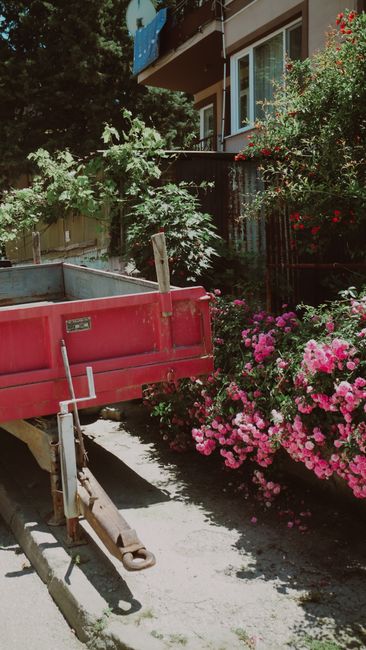
Earls Court Road garden clearance gardeners with trailer W8
If you are dealing with an overgrown front garden, a packed rear yard, or a patch of green that has turned into a bit of a storage site, you are not alone. Earls Court Road garden clearance gardeners with trailer W8 are often called in when the job has outgrown what a normal bin collection or a quick tidy can handle. The trailer matters, because it means waste can be removed efficiently in one visit, without endless back-and-forth or the awkward problem of where to put branches, soil, turf, and old plant debris. In a busy part of London, that practical detail makes a real difference.
This guide explains what the service usually involves, how it works, who it suits, and what to look for before you book. It also covers the sort of problems people run into when clearance is rushed, plus the best ways to keep costs sensible and the garden in better shape afterwards. If you want the short version: choose a team that can clear properly, load safely, and leave the space ready for whatever comes next.
Table of Contents
- Why Earls Court Road garden clearance gardeners with trailer W8 Matters
- How Earls Court Road garden clearance gardeners with trailer W8 Works
- Key Benefits and Practical Advantages
- Who This Is For and When It Makes Sense
- Step-by-Step Guidance
- Expert Tips for Better Results
- Common Mistakes to Avoid
- Tools, Resources and Recommendations
- Law, Compliance, Standards, or Best Practice
- Options, Methods, or Comparison Table
- Case Study or Real-World Example
- Practical Checklist
- Conclusion
- Frequently Asked Questions
Why Earls Court Road garden clearance gardeners with trailer W8 Matters
Garden clearance sounds simple until you are standing in front of a tangled mix of hedge cuttings, broken pots, damp leaves, and maybe a few awkward items that have been sitting out there for too long. In W8, where outdoor space is often limited and access can be tight, the difference between a basic tidy-up and a proper clearance service is huge. A trailer-equipped team can move material efficiently, which keeps the job cleaner, faster, and less disruptive.
That matters for a few practical reasons. First, waste builds up surprisingly quickly in small gardens. A couple of pruning sessions and one neglected season can create a pile that is too bulky for ordinary garden bags. Second, if there is no trailer or suitable transport, the work can end up taking much longer than expected. And third, a proper clearance is not just about removing what you can see. It is also about dealing with hidden debris, checking access, and making sure the area is safe once the job is done.
For homeowners, landlords, and managing agents on or near Earls Court Road, there is also the simple reality of time. Few people want to spend a weekend hauling cuttings through a narrow side path. Truth be told, it is not the glamorous part of gardening. It is the heavy, messy bit. The useful bit, though, because it clears the way for ongoing garden maintenance, planting, repairs, or a fresh landscaping project.
In our experience, the best clearance jobs do more than remove waste. They restore breathing room. You open the gate and the space feels usable again. That is often the real goal.
How Earls Court Road garden clearance gardeners with trailer W8 Works
A proper garden clearance usually starts with a walk-through or clear description of the site. The gardener looks at the volume and type of material, how easy it is to access, whether there are heavy items, and whether anything needs extra care. A trailer is then used to take away the waste in manageable loads, rather than leaving it piled up for later.
The process often looks something like this:
- Assess the space and confirm what needs clearing.
- Separate green waste from general rubbish where required.
- Cut back overgrowth, lift dead material, and gather debris.
- Load the waste into bags, bins, or directly into the trailer.
- Clear access paths, patios, borders, and hidden corners.
- Leave the garden tidy enough for the next stage, whether that is mowing, planting, or repairs.
Some jobs are light and straightforward. Others are a bit more dramatic. A neglected back garden may include ivy, brambles, fallen branches, old compost, and a few broken items tucked behind a shed. A good team will not be fazed by that. They will also know how to work around neighbour boundaries, shared access, and the realities of London garden layouts. It is not always spacious, let's face it.
For heavier or more overgrown work, clearance may be combined with tree lopping and removal or hedge trimming. If the garden needs more than a clean-out, a broader look at landscaping or landscape gardening may be worth considering too.
Key Benefits and Practical Advantages
The obvious benefit is that the garden gets cleared. But the best value comes from the practical knock-on effects.
- Faster turnaround: With a trailer on hand, waste can be removed in one organised process rather than in multiple trips.
- Less stress: You do not have to sort out transport or worry about where the cuttings will go.
- Better results: Clearing properly exposes the real condition of the garden, which helps with planning and aftercare.
- Safer space: Removing hidden clutter, unstable branches, and slippery debris reduces trip and cut risks.
- More usable outdoor space: Once the overgrowth is gone, the garden feels bigger. Usually, it actually is bigger.
- Good foundation for next work: Clearance makes mowing, planting, decking, or re-design much easier to manage.
There is also a financial angle. A well-cleared garden is simpler to maintain, which can reduce repeat effort later. It is often more cost-effective to clear thoroughly once than to keep picking away at a problem in fragments. That said, a sensible plan matters. Clearing everything all at once is not always the best answer if the space needs staged improvement.
Expert summary: The real value of trailer-based garden clearance is not just waste removal. It is speed, control, safer handling, and a cleaner starting point for whatever the garden needs next.
Who This Is For and When It Makes Sense
This service is a strong fit for anyone with more garden waste than they can reasonably handle themselves. That includes homeowners who have let things slide over winter, landlords preparing for a new tenant, residents clearing a property after a long gap, and busy people who simply do not have the time or vehicles to move the mess.
It also makes sense when:
- hedges or shrubs have grown too large to manage in one session
- there is a build-up of leaves, soil, branches, or cuttings
- you need the garden ready for photographs, a sale, or a letting
- access is awkward and you want a team used to handling tight spaces
- the garden has become unsafe, untidy, or difficult to use
For some people, clearance is a one-off reset. For others, it is part of a broader seasonal routine. You may clear in spring, maintain through summer, then do a final tidy before winter. If that sounds familiar, pairing clearance with lawn mowing or a regular garden maintenance plan can keep things from slipping back into chaos. The world does that to gardens. Fast.
It is also worth saying that not every garden needs a major clearance. Sometimes all you need is selective cutting, green waste removal, and a neat finish. A good gardener should tell you that plainly instead of pushing for more work than necessary. That kind of honesty matters.
Step-by-Step Guidance
If you are arranging Earls Court Road garden clearance gardeners with trailer W8, here is a sensible way to approach it.
1. Decide what needs to go
Walk through the space and make notes. Separate green waste, timber, broken planters, general clutter, and anything that may need special handling. If there is old fencing, timber decking offcuts, or failed garden structure, mention that early.
2. Check access before booking
Think about side gates, rear access, parking restrictions, and whether a trailer can be loaded close to the property. In a dense London street, access can be the difference between a straightforward job and a fiddly one.
3. Ask how the waste will be handled
You want a team that removes waste responsibly and keeps the site tidy. Ask whether green waste is separated, whether bulky items can be included, and how the trailer is used on the day. A clear answer usually says a lot about the operation.
4. Confirm the scope in plain English
Be precise. Say what you want cleared, what should stay, and whether you need light pruning, hedge shaping, or just rubbish removal. Small misunderstandings are common, and yes, they can turn into annoying little delays.
5. Prepare the garden
If possible, move pets indoors, unlock access, and point out fragile areas, water features, or surfaces that can be damaged. Even a short conversation on arrival can save a lot of awkwardness later.
6. Review the finished job
Before the team leaves, check that the agreed areas have been cleared and that the remaining space is left safe and workable. Look at corners, behind sheds, and around borders. Those are the places where bits sometimes hide.
For bigger redesigns, a clearance is often just the beginning. Once the old growth is gone, the next stage might involve decking services, structural changes, or a more complete upgrade through services overview. It depends what you want the garden to become.
Expert Tips for Better Results
Good clearances are usually won before the work even starts. A few small decisions can make the whole thing smoother.
- Be specific about volume: "A few bags" and "a full rear garden" are very different. If you can estimate the size of the pile, do it.
- Take photos in daylight: A quick set of pictures helps clarify the scope. Morning light is often best; the shadows tell the truth.
- Separate keeps from clears: If there are pots, tools, or timber you want to keep, move them out of the way first.
- Choose the right timing: After a dry spell, clearance can be cleaner and less muddy. After heavy rain, expect slower handling.
- Plan follow-up care: A cleared garden often needs mowing, edging, trimming, or planting soon after. Otherwise the fresh start fades quickly.
- Ask about sustainability: Responsible disposal and recycling should be part of the discussion, not an afterthought. The sensible teams will talk about it clearly.
If you want the garden to stay manageable, look into recycling and sustainability as part of your longer-term approach. It is a small detail that can make the whole service feel more thoughtful and less wasteful.
And one more thing: do not be embarrassed by the state of the garden. Honestly, we have seen plenty of spaces that looked daunting at first and came up beautifully once cleared. Gardens have a funny way of recovering. Bit by bit.
Common Mistakes to Avoid
A lot of clearance problems come down to planning, or the lack of it.
- Underestimating the amount of waste: A small-looking pile can expand into a full trailer load once it is cut and compacted.
- Not checking access: If a trailer cannot get close enough, the job may take longer and cost more.
- Mixing in the wrong materials: Heavy rubble, soil, and green waste are not always handled the same way. Always clarify.
- Forgetting the next step: Clearing without planning what comes next often leads to the space becoming messy again.
- Choosing purely on price: The cheapest quote is not always the best value if it lacks proper waste handling or safe practice.
- Skipping insurance and process checks: You want to know the business is organised, careful, and covered where appropriate.
A subtle but important point: a good clearance is not just about speed. It is about judgement. Knowing what to remove, what to leave, and what might need extra care is part of the job. A rushed service can leave you with a garden that looks half-finished, and nobody wants that.
Tools, Resources and Recommendations
Without getting too technical, the right setup for garden clearance usually includes cutting tools, heavy-duty bags, gloves, loading equipment, and a reliable trailer sized for the work. For more overgrown spaces, clearance may also require pruning tools, shears, loppers, and sometimes machinery for bulkier vegetation.
From a homeowner's point of view, the most useful resources are often simple ones:
- clear photos of the garden before work starts
- a short written list of what should be removed
- access details, including parking or gate restrictions
- notes about fragile features, drains, or uneven ground
- follow-up plans for mowing, trimming, or planting
If you want to compare services or understand what else may be needed, the broader garden clearance page is a useful reference point, especially when you are deciding whether the job is a one-off clean-up or part of a wider garden improvement plan. For new clients, reading about the company's about us information can also help you judge whether the team feels like a good fit.
A simple recommendation: keep your expectations practical. A cleared garden should be tidy, safe, and ready for the next stage. It does not always need to look picture-perfect on the same day, although a good crew will usually leave it looking much better than it started.
Law, Compliance, Standards, or Best Practice
Garden clearance work in the UK should follow sensible waste-handling practice, basic site safety, and any relevant local requirements for vehicle access and disposal. Exact obligations can vary depending on the materials involved and how the waste is being moved. Because of that, it is best to keep the conversation focused on clear, practical standards rather than sweeping assumptions.
In plain English, a professional clearance service should generally be able to explain:
- how waste is sorted and removed
- how they reduce unnecessary mess or damage on site
- what they do to handle heavy or awkward items safely
- whether they have insurance appropriate to the work
- how they deal with recycling and responsible disposal
If you are concerned about safety, insurance, or working methods, that is completely reasonable. You can look at the company's insurance and safety information and its health and safety policy for more context. That does not replace a proper conversation, of course, but it helps build confidence.
It is also worth considering how a provider handles privacy, payments, and complaints. Those details may not sound exciting, but they matter when you are inviting someone onto your property. The relevant pages on payment and security, privacy policy, and complaints procedure can help set expectations in advance. That is just common sense, really.
Options, Methods, or Comparison Table
Not every garden clearance needs the same approach. Here is a simple comparison to help you think it through.
| Method | Best for | Pros | Limitations |
|---|---|---|---|
| DIY clearance | Very small tidy-ups | Low direct cost, full control | Time-consuming, physically demanding, waste removal can be awkward |
| Gardeners without trailer | Light jobs with limited waste | Simple for minor cutbacks | May require multiple trips or separate disposal arrangements |
| Garden clearance gardeners with trailer | Moderate to heavy clearance jobs | Efficient removal, better for bulky waste, less disruption | Needs access planning and a clear brief |
| Clearance plus landscaping | Sites needing a bigger transformation | Creates a fresh start for redesign work | More involved planning and a wider scope |
The right choice depends on the condition of the garden and what you want it to become. If you only need a small border tidied, a full clearance may be overkill. But if the space is heavily overgrown or cluttered, the trailer-based approach is usually the most practical.
Case Study or Real-World Example
A typical Earls Court Road scenario might look like this. A small back garden has been left alone for several months after a busy period, and by late summer it is a mix of tall weeds, hedge growth, fallen leaves, and a few old planters stacked near the fence. The owner wants to make the space usable again before autumn.
The first challenge is access. There is a narrow side route, so the team checks what can be carried through safely and what can be loaded directly into a trailer. After the initial assessment, the work is split into clear stages: cut back the overgrowth, gather all green waste, remove the planters and broken bits, then sweep the area so it is safe to walk on.
By the end of the visit, the garden is not finished as a design project, but it is back under control. The owner can now see the size of the space again, which sounds small until you have not seen the actual borders in months. That visual reset is often the real win.
From there, the next sensible step might be a simple maintenance plan or a more considered redesign. Sometimes the job is just to get back to zero. That is enough.
Practical Checklist
Before booking Earls Court Road garden clearance gardeners with trailer W8, run through this checklist.
- Take photos of the garden from different angles.
- List what should be cleared and what should stay.
- Check access, parking, and gate widths.
- Identify heavy, sharp, or awkward items in advance.
- Ask how waste will be loaded and removed.
- Confirm whether hedge cuttings, branches, soil, or mixed debris are included.
- Decide if you want mowing, pruning, or follow-up maintenance too.
- Prepare pets, neighbours, and access arrangements.
- Review the finished work before sign-off.
- Plan the next stage so the space stays in good shape.
If you are not sure where to begin, start with the simplest question: what outcome do you actually want? Clear access? A tidy garden? Room for planting? A blank canvas? Once that is clear, the rest gets easier.
Conclusion
Earls Court Road garden clearance gardeners with trailer W8 are a smart choice when you need more than a quick rake and bin bag solution. The trailer makes removal efficient, the process is easier to control, and the finished result gives you a proper reset rather than a half-job. For small London gardens, that can be the difference between a space you avoid and a space you use every day.
Done well, garden clearance saves time, improves safety, and sets up the next stage of work neatly. Whether you are preparing for maintenance, repair, or a complete transformation, the key is to choose a team that works carefully, communicates clearly, and respects the reality of the site. Not every garden needs a dramatic overhaul. Sometimes it just needs a clean start.
Get a free quote today and see how much you can save.
If you are comparing providers, it may also help to review the company's services overview and pricing and quotes information so you know what to expect before the work begins.
Frequently Asked Questions
What does garden clearance with a trailer actually include?
It usually includes cutting back overgrowth, collecting green waste, loading bulky material, and removing debris from the property. The exact scope depends on what you agree in advance.
Why is a trailer useful for garden clearance in W8?
A trailer helps remove waste in fewer trips, which is especially useful where access is limited and parking is not easy. It keeps the job more efficient and less disruptive.
Is Earls Court Road garden clearance gardeners with trailer W8 suitable for small gardens?
Yes, especially if the garden is awkward to access or has a surprising amount of waste packed into a small space. Small gardens can be more cluttered than they look.
Can hedge cuttings and branches be removed too?
Usually yes, provided the provider agrees to it and the waste type is suitable for the planned removal method. It is best to mention bulky branches or hedge material before the visit.
Do I need to be home during the clearance?
Not always, but it is often helpful if someone can confirm access, answer questions, and check the finished work. If you cannot be there, clear instructions matter even more.
How long does a garden clearance usually take?
It depends on the size of the garden, the amount of waste, and the access conditions. A straightforward job may be relatively quick, while an overgrown or cluttered site naturally takes longer.
What should I do before the gardeners arrive?
Move personal items out of the way, unlock access, and make a list of what needs clearing. Photos can help too, especially if the garden is messy or the scope is broad.
Will the garden be left tidy afterwards?
A proper clearance should leave the space neat, safe, and ready for the next stage. You should still check that all agreed areas have been handled before the team leaves.
Is garden clearance the same as garden maintenance?
No. Clearance deals with removal of excess growth, debris, and clutter. Maintenance is more ongoing and focuses on keeping the garden in good condition over time.
Can clearance be combined with other garden work?
Yes, and that is often sensible. Many people combine clearance with mowing, hedge trimming, pruning, or broader landscaping work so the garden improves in one coordinated plan.
How do I know if I need full clearance or just a tidy-up?
If the garden still has usable structure and only needs light cutting or waste removal, a tidy-up may be enough. If paths are blocked, borders are hidden, or the garden feels unmanageable, a full clearance is likely better.
Where can I find more information before booking?
Reading the company's service pages, pricing information, and trust-related policies is a good starting point. It gives you a clearer picture of scope, safety, and how the work is handled.